
Daka's history
An essential occupation
Already in the 19th century, the need arose to handle fallen stock and other agricultural waste products. Nutrients must not be lost, and the handling had to take place in a way that did not create health risks for humans or animals.
That was the starting point for the business that later became the foundation of Daka.
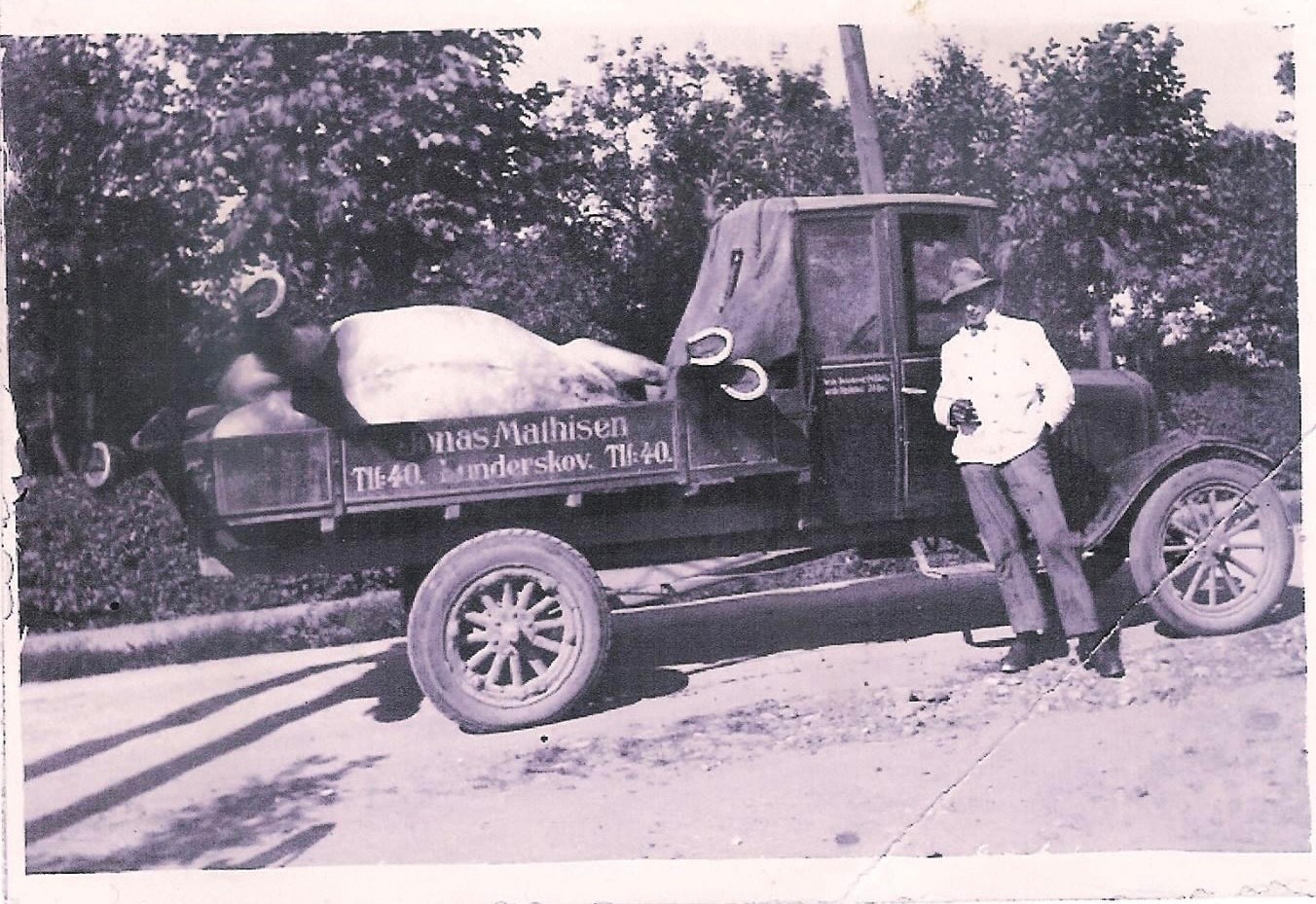
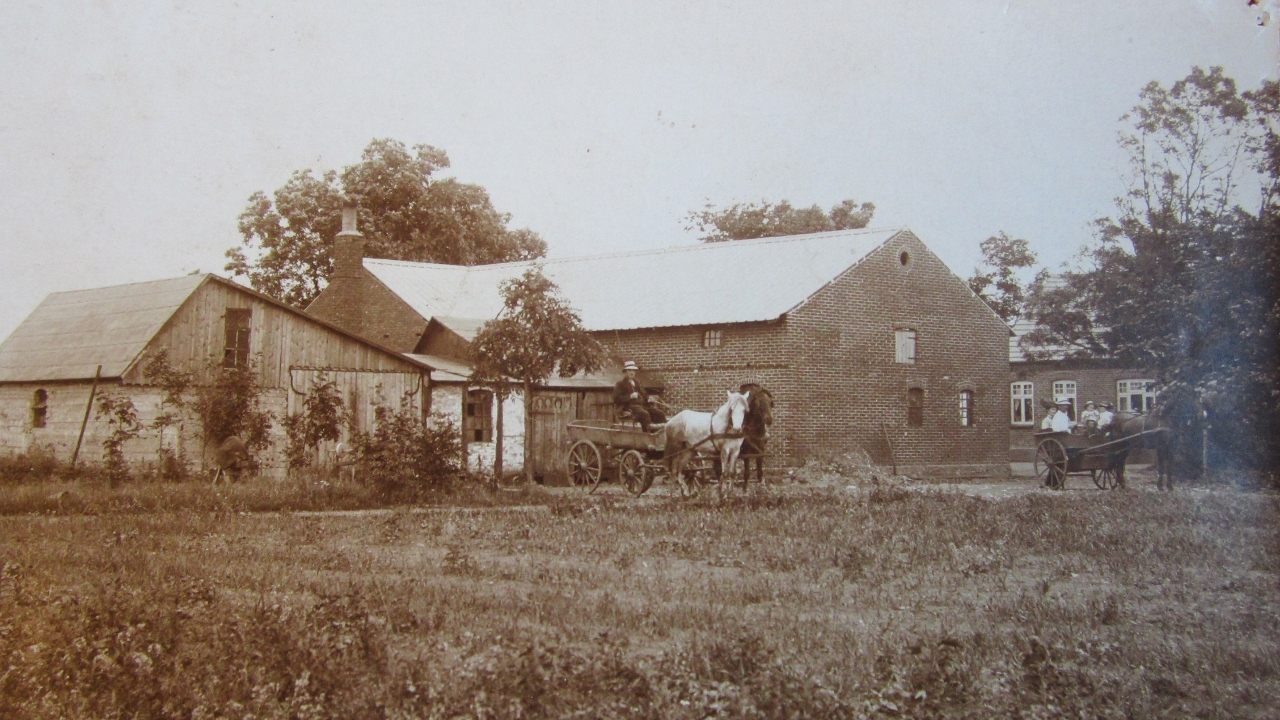
An early circuit
In the early years, the utilisation of residual products was driven by necessity. Bones, fat and protein were used wherever possible – primarily as fertiliser or feed.
Thus nutrients were returned to agriculture in a practical cycle, long before concepts such as circular economy existed.
Local solutions and shared responsibility
With industrialisation, handling became more systematic. From the beginning of the 20th century, stricter requirements were introduced regarding hygiene, licensing and veterinary supervision. During this period, local meat meal factories were established, which later became part of what is Daka today.
Later, the common European regulation – including the EU Animal By-Products Regulation – helped to establish clear frameworks for the handling, traceability and use of animal by-products. This led to an increased focus on veterinary safety, through close collaboration between authorities, agriculture and processing companies.
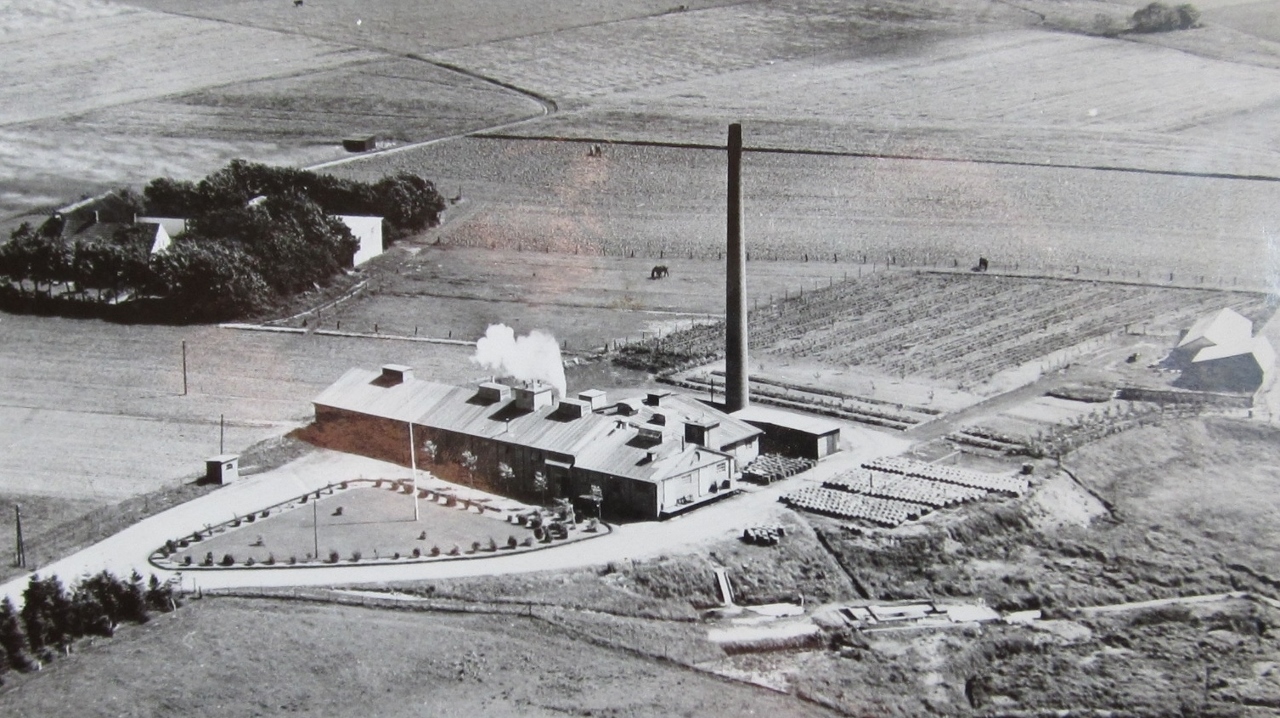
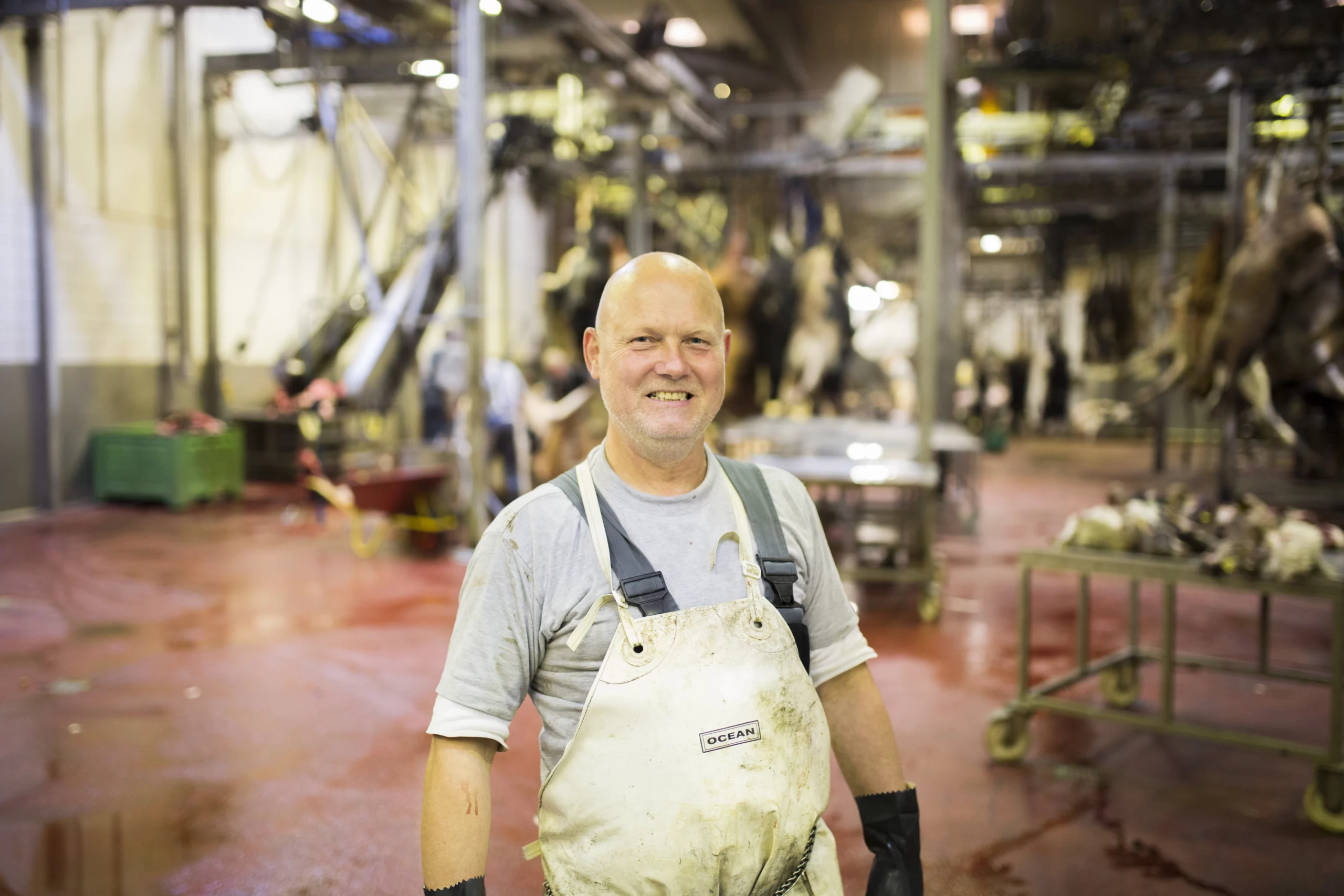
Collaboration with agriculture and slaughterhouses
Over decades, cooperation between meat and bone meal plants, agriculture, and abattoirs grew. Many facilities were cooperatively owned, and the handling of by-products became an integral part of the abattoirs' value chain.
Responsibility for raw materials, quality and safety was shared collectively.
The foundation of Daka
Daka was founded in 1948 under the name Danske Andelsslagteriers Kødfoder‑ og Albuminefabrik.
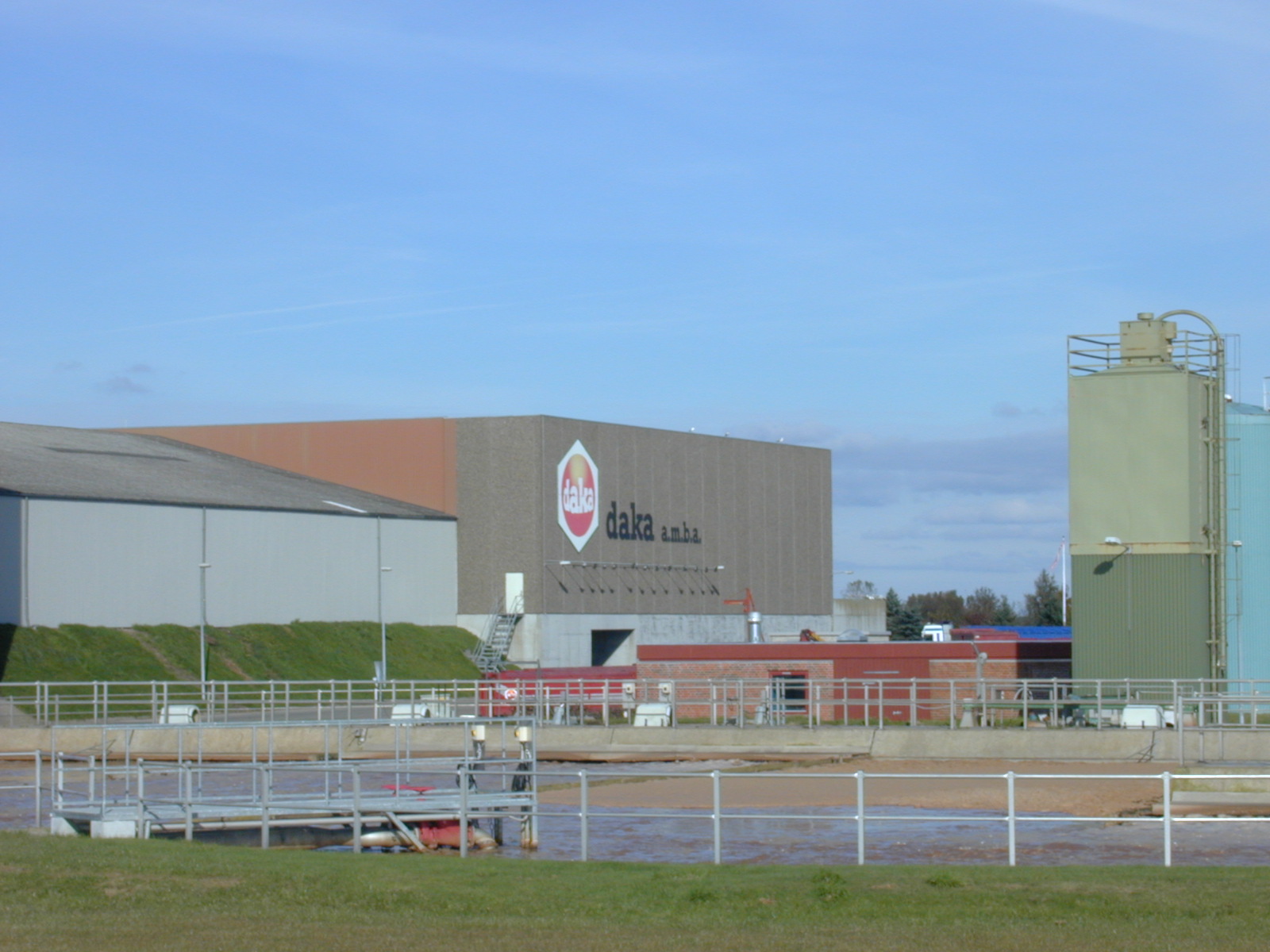
In 1986, several meat and bone meal plants – including Kronjyden among others – were merged under the name Daka. The purpose was to strengthen efficiency, quality and a shared direction in an industry characterised by structural changes and increasing regulatory requirements.
The collection became the foundation for the business that Daka is today.
From waste product to energy source
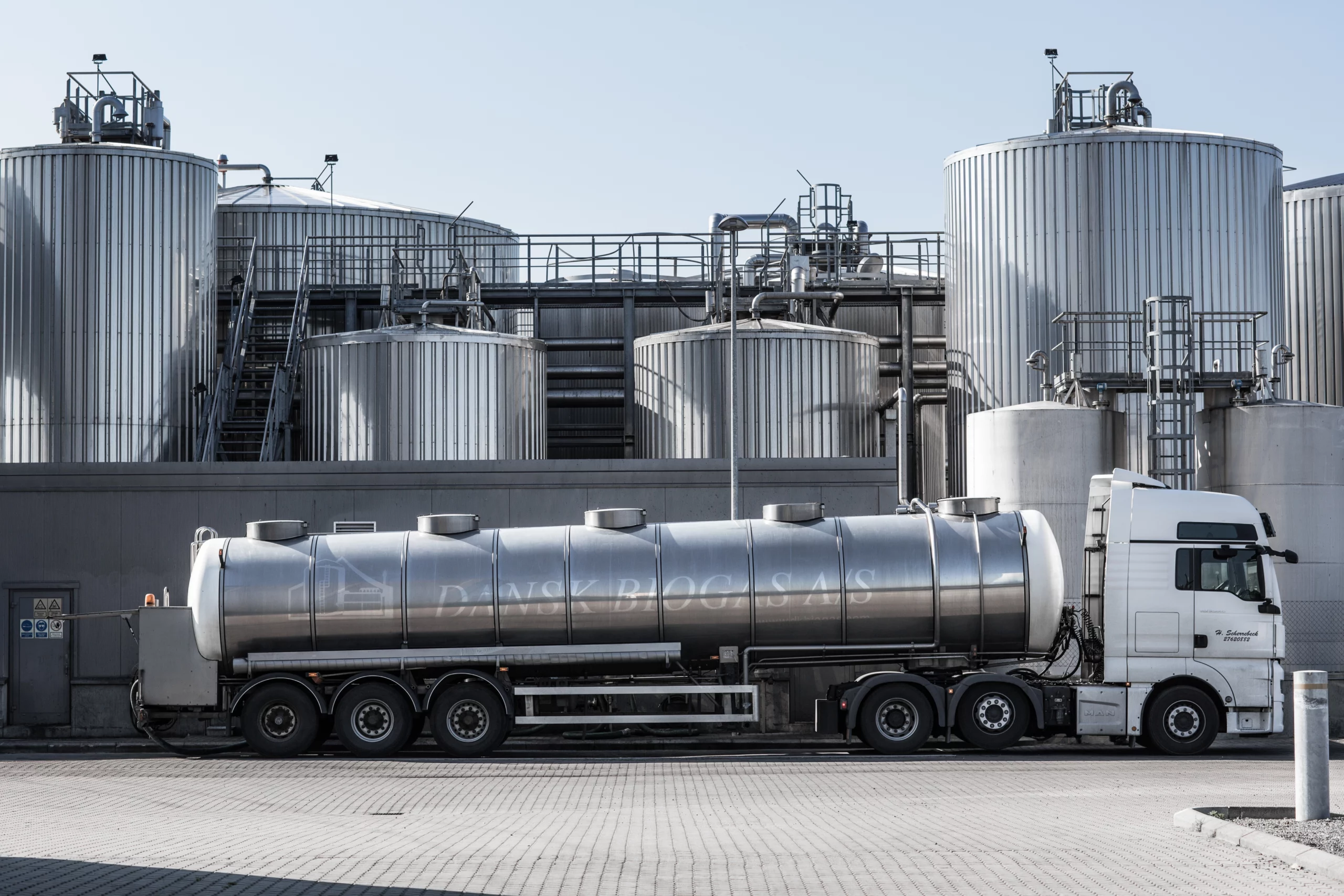
The EU’s Animal By-Products Regulation meant that some animal fat could no longer be used for feed. Therefore, in 2006, Daka established production of 2nd generation biodiesel in Løsning (today Daka ecoMotion) in cooperation with SARIA. Today, the biodiesel is used as a blending component in fuel for road transport, shipping and aviation.
Multi-circuit recirculation
In 2016, Daka ReFood was established with a focus on the collection and recycling of food waste and used frying oil from the food sector.
Thus, residual streams from restaurants, commercial kitchens and food production were linked directly to the production of biogas, fertiliser and biodiesel, expanding Daka’s role in the circular loop.


Daka and the Nordic cooperation
In 2000, the Swedish company Konvex became part of Daka. Konvex handles animal by-products in Sweden and uses them for energy purposes. Collection from agriculture takes place through Svensk Lantbrukstjänst, while Gyllebo Gödning uses raw materials from both Konvex and Daka for the production of organic fertiliser.
Daka is also a co-owner of the Norwegian company BioSirk, which handles animal by-products from the Norwegian meat industry and produces protein meal and fat for feed, fertiliser and energy.

Ownership and engagement
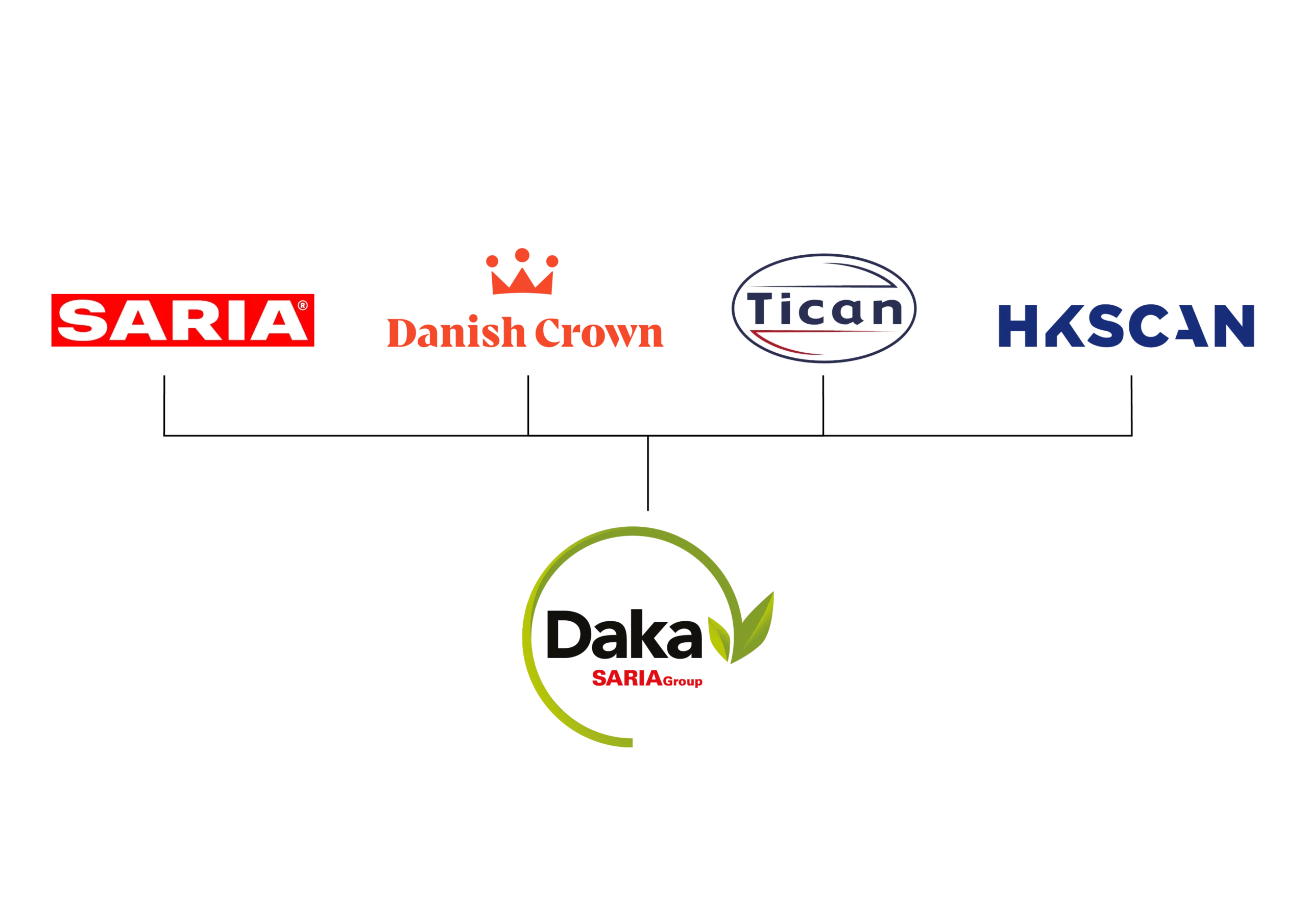
In 2012, Daka was converted into the public limited company Daka Denmark A/S. At the same time, there was a change in ownership, with SARIA acquiring 51 % of the shares.
The remaining 49 % are owned by the slaughterhouses Danish Crown, Tican and HKScan.
The ownership reflects Daka's continued roots in the Danish food sector combined with access to broader European cooperation.
Secure handling in a critical value chain
Today, Daka is an established part of the value chain between agriculture, food production and society, where by-products are handled and turned into new resources – with a focus on veterinary safety and a stable feed and food supply.
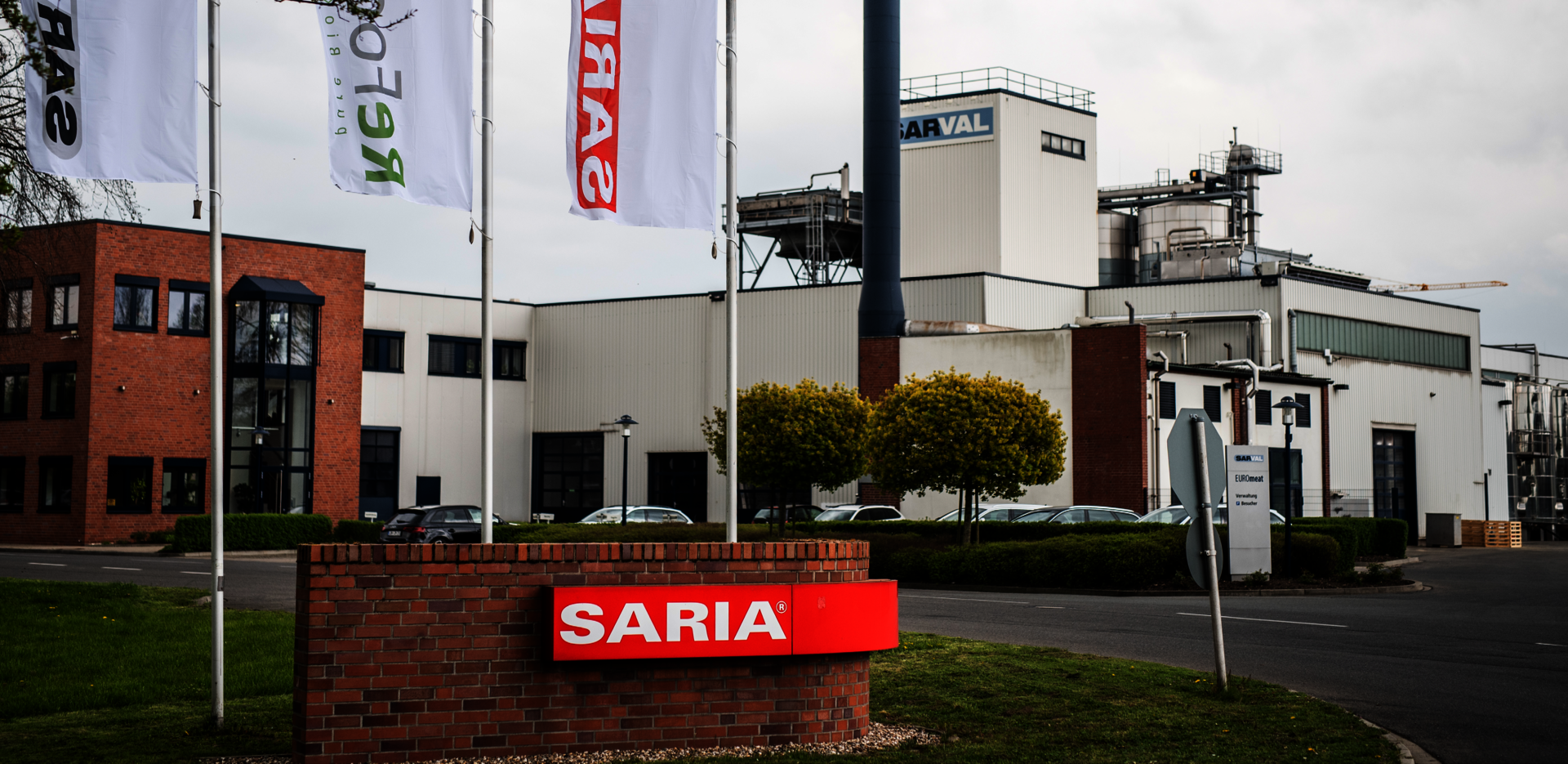
As part of SARIA, an international group specialised in the recycling of organic residues and by-products, Daka combines international solutions with local operations and close relationships with customers and authorities.
The main outlines of Daka's history
- 19th Century – Utilisation of Agricultural By-products
- Early 1900s – Authorisation and veterinary supervision
- 1986 – Daka is merged into a single company
- 2000 – Konvex becomes part of Daka
- 2006 – Daka ecoMotion and 2nd generation biodiesel
- 2012 – Daka Denmark A/S and integration into SARIA
- 2016 – Daka ReFood and food waste
- Today – Recycling in the food, feed and energy system


 Danish
 English