By-product regulation

Daka's handling of animal by-products and food waste is regulated by the EU By-Products Regulation.
The rules lay down requirements for traceability, disease prevention and safe use of the materials.

What are animal by-products?

Animal by-products are:

  • whole animals or parts of animals
  • products derived from animals not intended for human consumption

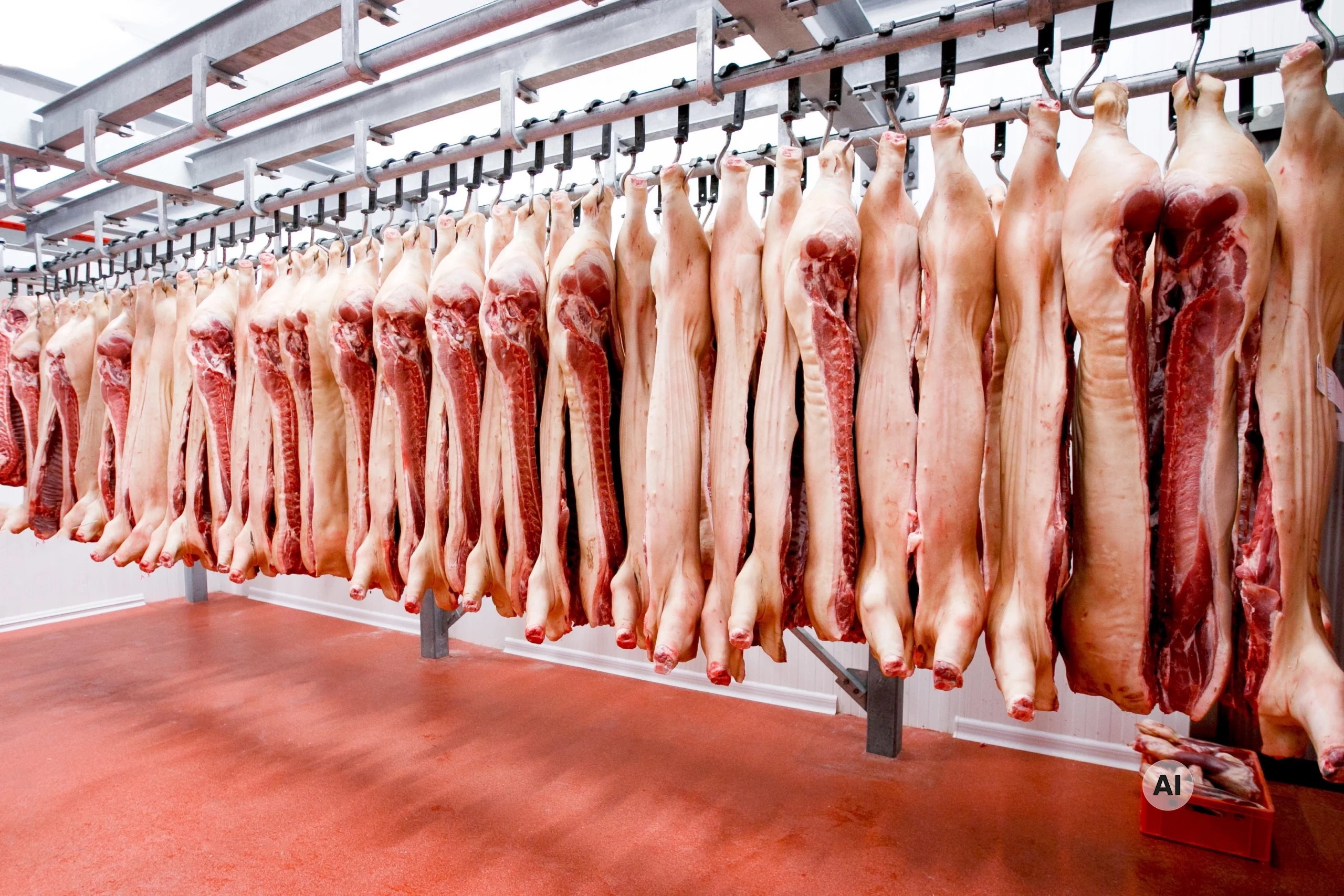
This includes, among other things, slaughterhouse by-products, fallen stock and animal residues from food production. All animal by-products are divided into three categories depending on the risk, and the category determines how the material may be handled and used.

Categories of animal by-products

Materials with the highest risk of disease transmission

Examples:

  • cattle, sheep and goats (risk of BSE and TSE)
  • specified risk material
  • laboratory animals
  • wild animals and zoo animals

Handling:

  • For use exclusively for heating purposes

Materials that pose a health risk.

Examples:

  • dead farm animals (poultry, horses and pigs)
  • gut content
  • materials that do not meet Category 3 requirements

Handling and use:

  • energy, biogas and fertiliser
  • not permitted for animal feed

Materials from animals former fit for human consumption.

Examples:

  • slaughterhouse by-products
  • fat, bones and blood

Application

  • feed
  • biogas
  • technical products

Transport and traceability

The requirements in the Animal By-Products Regulation are, in practice, about how animal by-products are handled, documented and can be traced throughout the entire chain.

Materials must be traceable throughout the entire chain – from sender to recipient.

All products must be accompanied by documentation, approved by the local authorities. Without documentation, the material must not be transported.

The information includes, amongst other things:

  • origin and destination
  • category and material type
  • quantity and date
  • intended use
Documentation and records must be made available for inspection by authorities and retained for at least 2 years.

Food waste

Food waste and used frying oil are handled in accordance with the rules of the By-Product Regulation. The category includes, among other things, food waste, discarded food and used frying oil, which after processing can be used in the production of biogas and second-generation biodiesel.

Do you have any questions about our work with sustainability,
you are welcome to contact:

Rikke Klitgaard Friis

Business Development Director & Head of Sustainability

Email: rkf@daka.dk