
Animal By-Products Regulation
Daka's handling of animal by-products and food waste is regulated by the EU By-Products Regulation.
The rules lay down requirements for traceability, disease prevention and safe use of the materials.
What are animal by-products?
Animal by-products are:
- whole animals or parts of animals
- products derived from animals not intended for human consumption
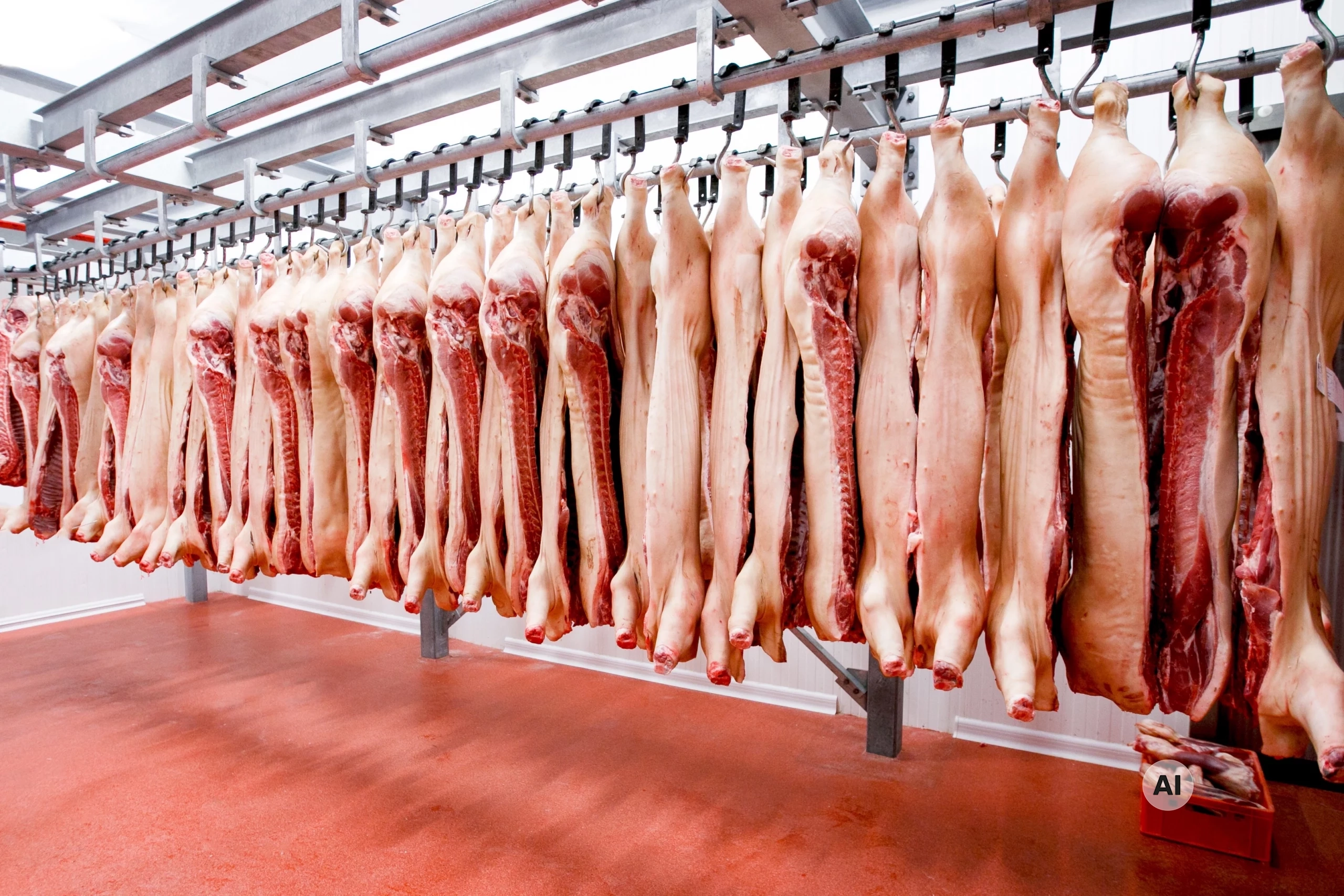
This includes, among other things, slaughterhouse by-products, fallen stock and animal residues from food production. All animal by-products are divided into three categories depending on the risk, and the category determines how the material may be handled and used.
Categories of animal by-products
Materials with the highest risk of disease transmission
Examples:
- cattle, sheep and goats (risk of BSE and TSE)
- specified risk material
- laboratory animals
- wild animals and zoo animals
Handling:
- For use exclusively for heating purposes
Materials that pose a health risk.
Examples:
- dead farm animals (poultry, horses and pigs)
- gut content
- materials that do not meet Category 3 requirements
Handling and use:
- energy, biogas and fertiliser
- not permitted for animal feed
Materials from animals former fit for human consumption.
Examples:
- slaughterhouse by-products
- fat, bones and blood
Application
- feed
- biogas
- technical products
Transport and traceability
The requirements in the Animal By-Products Regulation are, in practice, about how animal by-products are handled, documented and can be traced throughout the entire chain.
Materials must be traceable throughout the entire chain – from sender to recipient.
All products must be accompanied by documentation, approved by the local authorities. Without documentation, the material must not be transported.
The information includes, amongst other things:
- origin and destination
- category and material type
- quantity and date
- intended use
Documentation and records must be made available for inspection by authorities and retained for at least 2 years.
Food waste
Food waste and used cooking oil are handled in accordance with the rules in the Animal By-Products Regulation.
The category includes, among other things, food waste, discarded foodstuffs and used cooking oil, which after treatment can be used in the production of biogas and 2nd generation biodiesel


Do you have any questions about our work with sustainability,
you are welcome to contact:
Rikke Klitgaard Friis
Business Development Director & Head of Sustainability
Email: rkf@daka.dk


 Danish
  English